Hunter College (Assistant Professor)
Issues in 19th-Century French Painting
Undergraduate Lecture
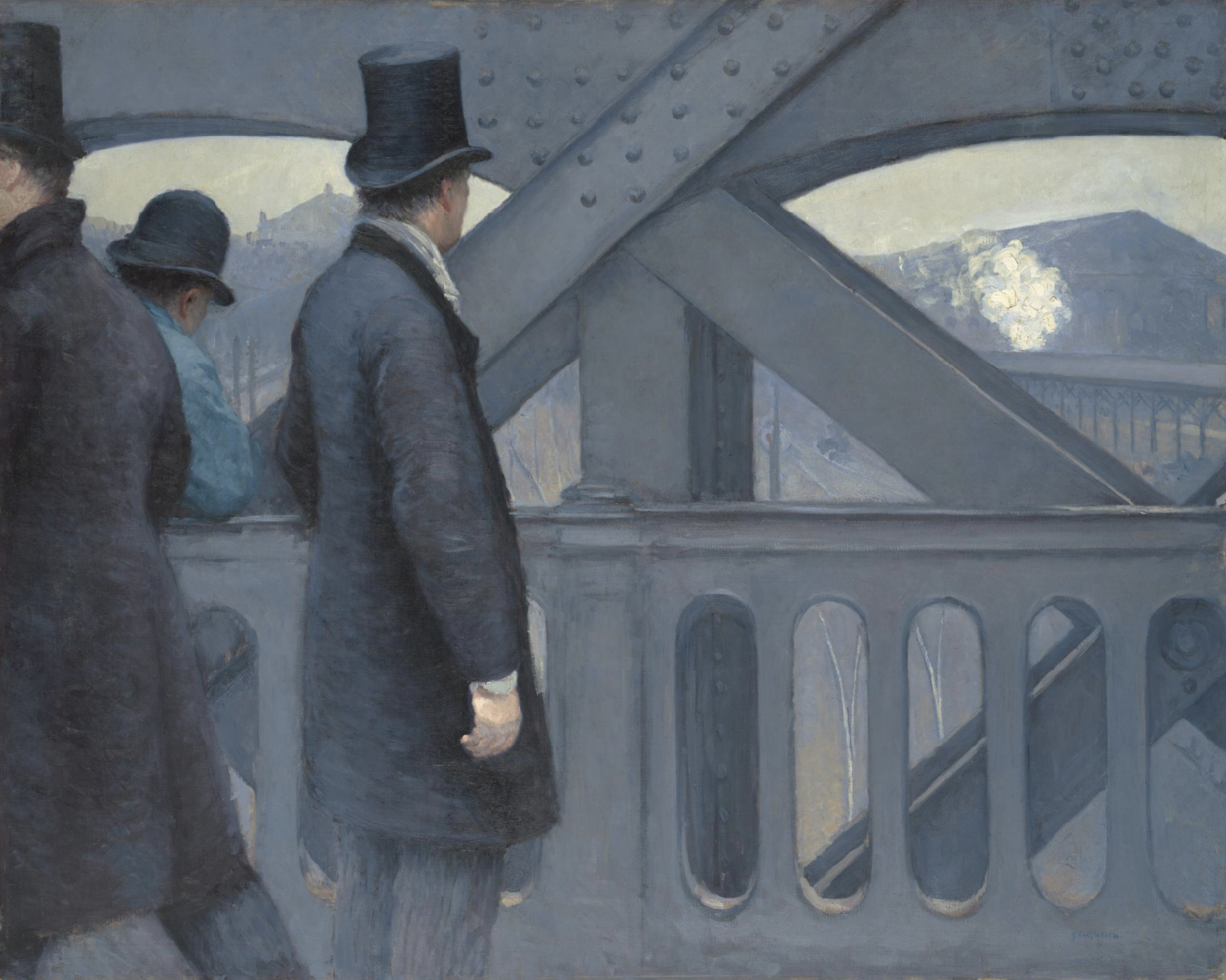
This course offers a survey of French painting in the second half of the 19th century. Each week will focus on a specific movement, among them Realism, Impressionism, Pointillism, Symbolism, and other core schools or painting traditions like the Barbizon school and Orientalism. In addition to offering a chronology about the change in art from the rigid Academy system of the 18th century to more experimental movements, we will also address questions of gender and sexuality, the Anthropocene, and global trade.

Modern Art I
Graduate Lecture
This course offers a survey of modern art from 1850 to 1900, examining key aesthetic traditions that spanned the Atlantic, showing continuities of technique, iconography, and style across Europe, the Americas, and the territories subjected to their colonial expansion. Each lecture will tackle key questions related to the art and politics of the era, including labor, the emergence of queer subcultures, environmental management, and the fight to abolish slavery. The course is deeply invested in understanding art through various media, studying canonical artists alongside other elements of visual culture with which they interacted, including panoramas, dioramas, popular prints, posters, photography, and film.
Research Methods of Art History: Multimedia Surrealism
Undergraduate Writing Seminar
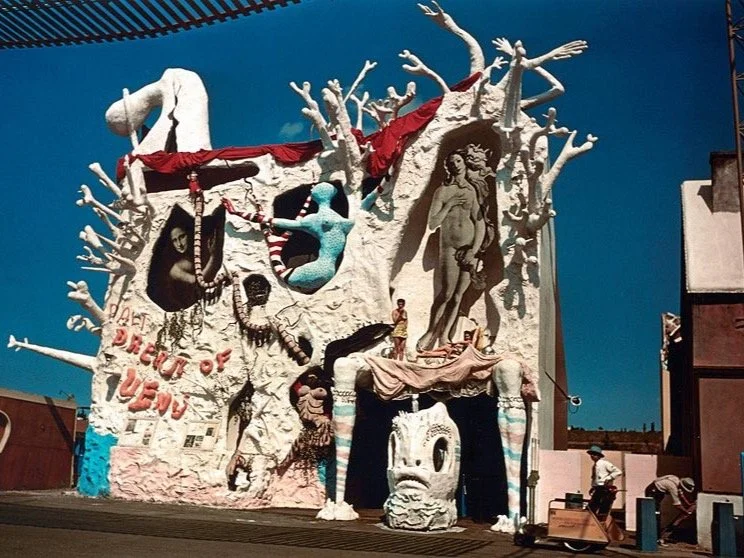
Surrealism helped expand what art can be: from complex symbolic paintings to found objects, scribbles, and even films of waves on a shore. In this course, we will develop tools to speak about art across different media: painting, drawing, photography, sculpture, exhibition design, periodicals, and film. We will also discuss what types of evidence art historians draw on to analyze these works, including artist’s writings, newspaper coverage, and close visual analysis. Each week tackles two interrelated questions: How do art historians write about a particular medium? And how did surrealism express itself in that medium?
Columbia University (Instructor of Record)
Ecology, Art, and Empire
Instructor of Record, Fall 2023 (Columbia University), upper undergraduate seminar (Art History, cross-listed with the Institute for the Study of Sexuality and Gender)
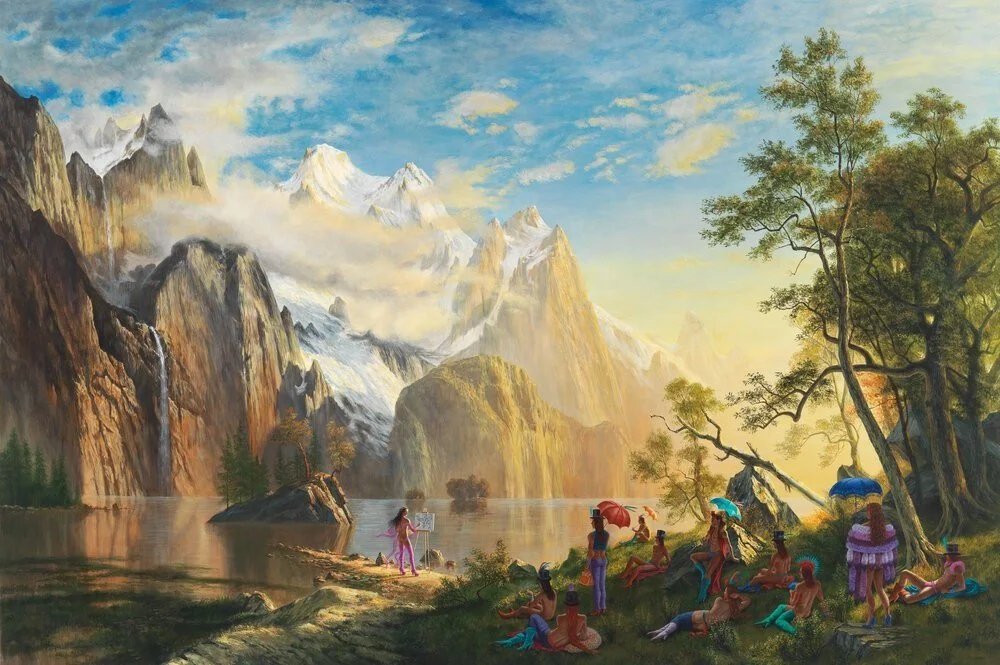
Looking at a range of visual material from 18th-century maps to contemporary installation art, this course develops a mode of reading visual material “ecologically.” Drawing on feminist and queer methodologies, the course traces how diverse ideologies of race, capitalism, and imperialism shaped constructions of nature in colonial and postcolonial encounters between Europe and Asia, Africa, and the Americas.
Art Humanities:
Masterpieces of Western Art
Instructor of Record, Fall 2021, Spring 2022, Summer 2022, Spring 2024 (Columbia University)
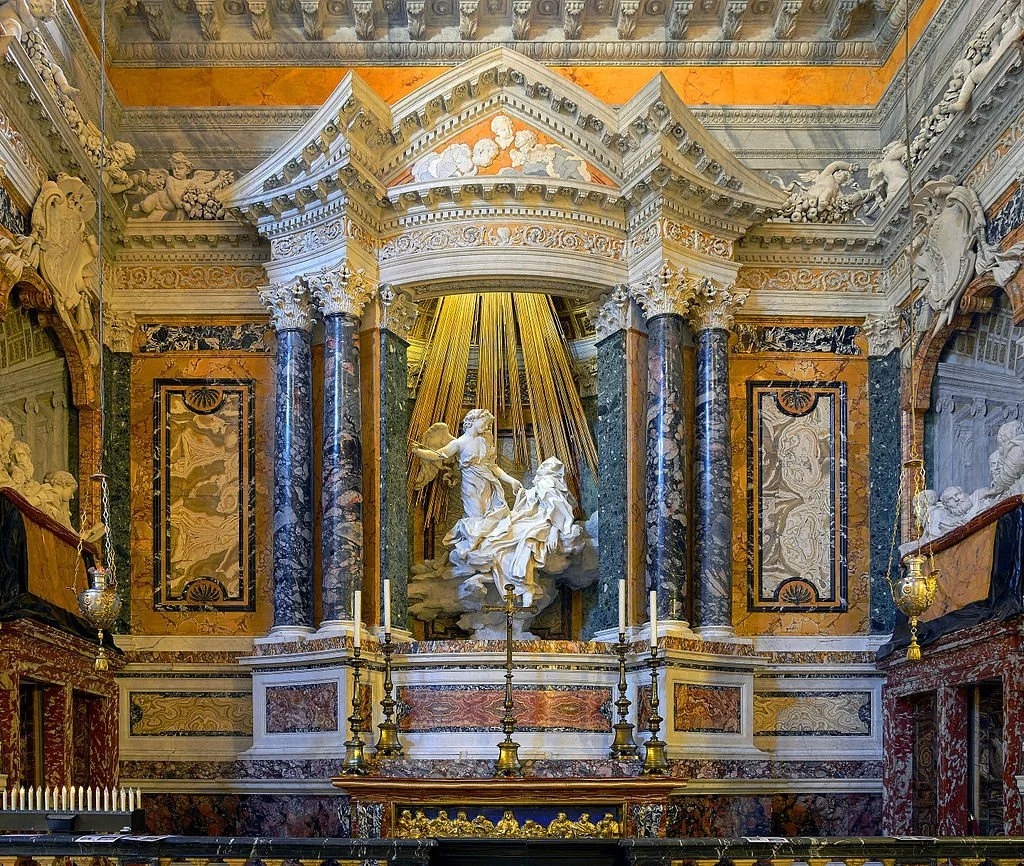
A survey of Western Art through 11 units from the Parthenon to Jean-Michel Basquiat, Art Humanities is a mandatory course for all Columbia undergraduates. My version of the course adds further units about cave art, early cinema, surrealism, ecological art, and contemporary artists who incorporate art history into their practice. Through this course, students are trained in essential visual analysis skills and engage larger themes about globalism, racial/gender identity, and power.
Previous Teaching Assistant Experience
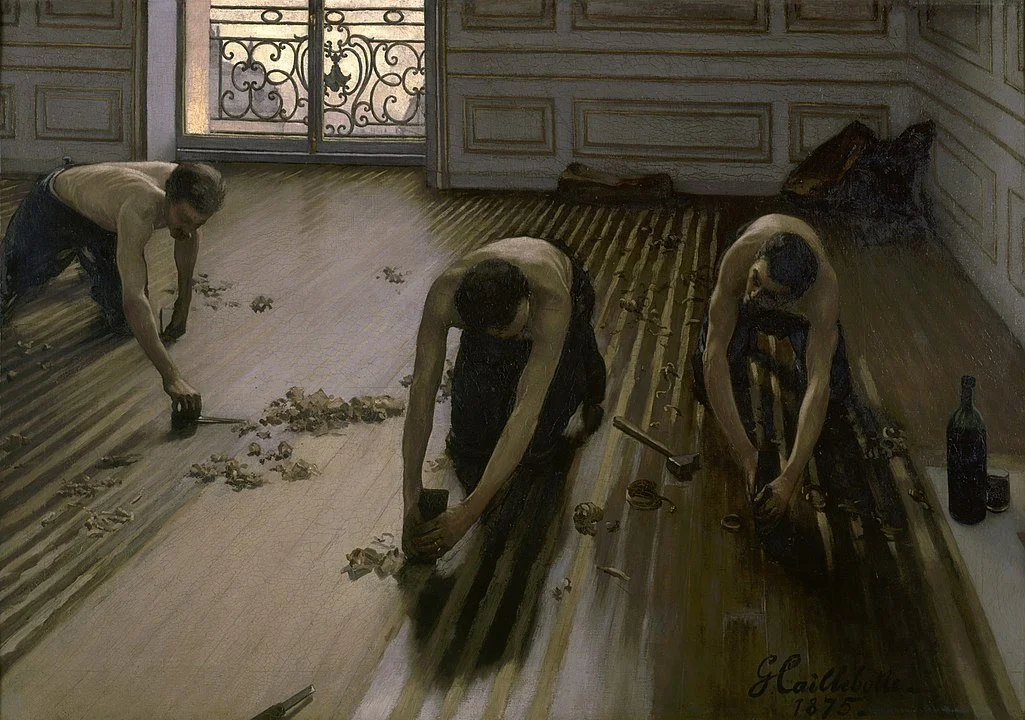
Nineteenth-Century Art
Section Leader, Spring 2021, for Meredith Gamer (Columbia)
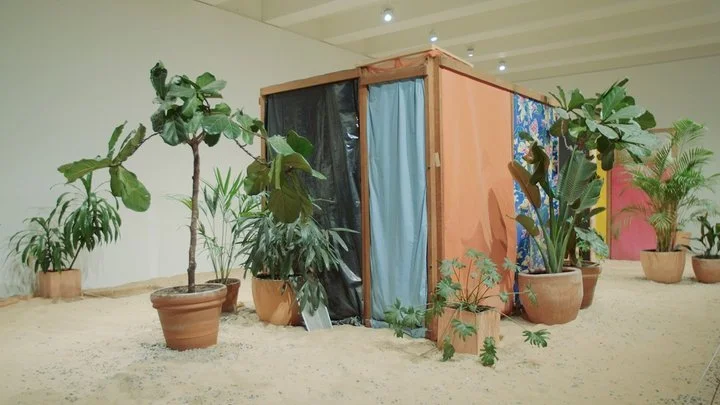
Mid-Twentieth-Century Art
Section Leader, Fall 2020, for Alex Alberro (Barnard College)
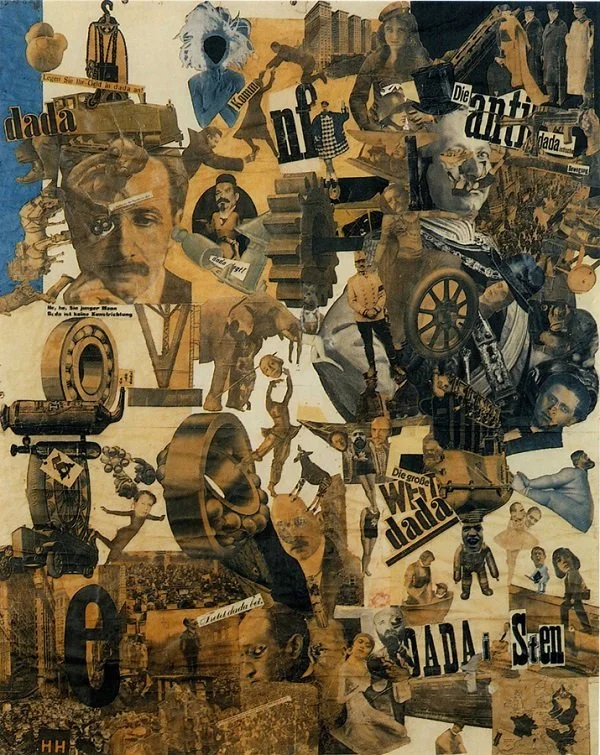
Twentieth-Century Art
Section Leader, Spring 2020, for Branden Joseph (Columbia)
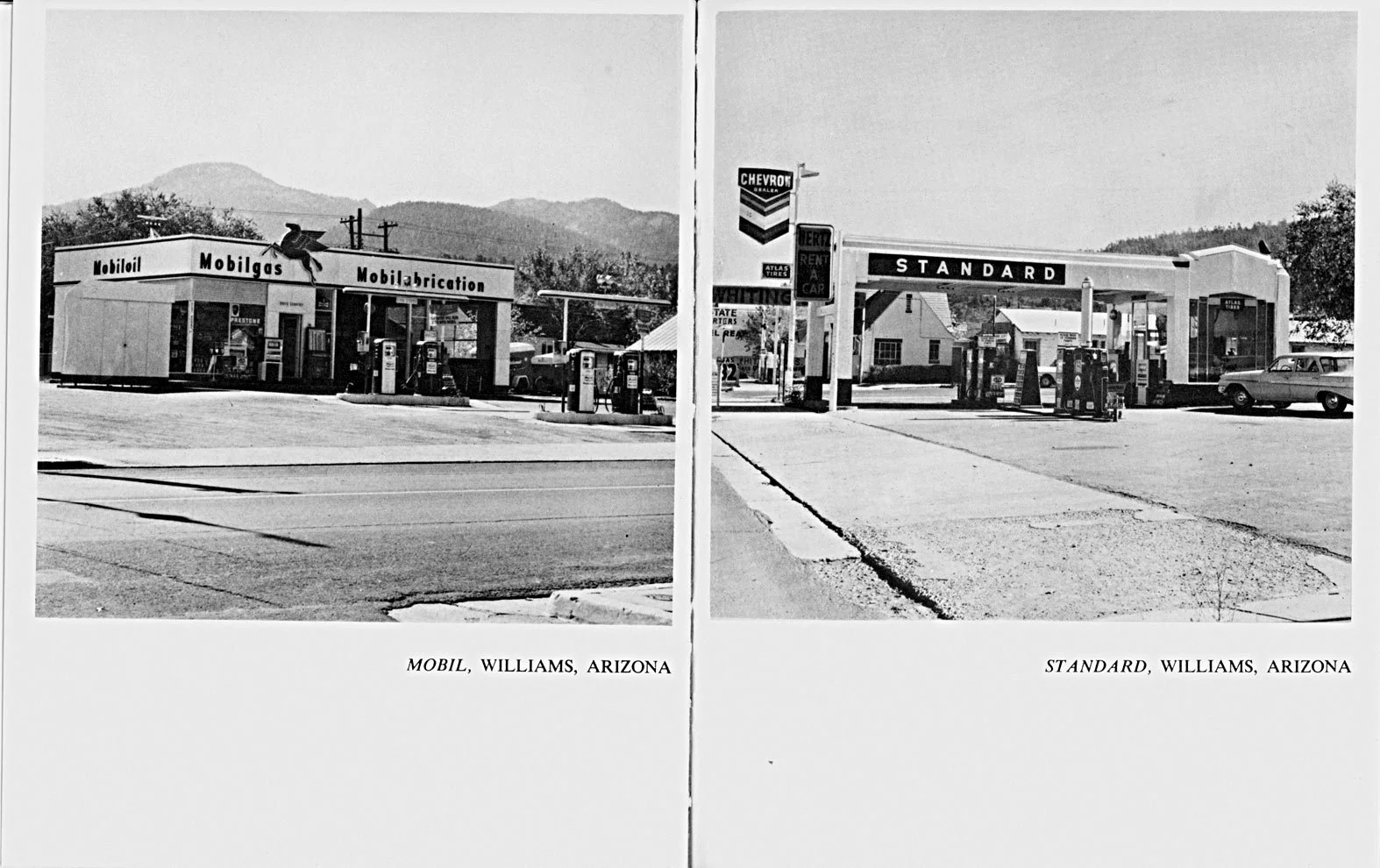
History of Photography
Section Leader, Fall 2019, for Alex Alberro (Barnard College)
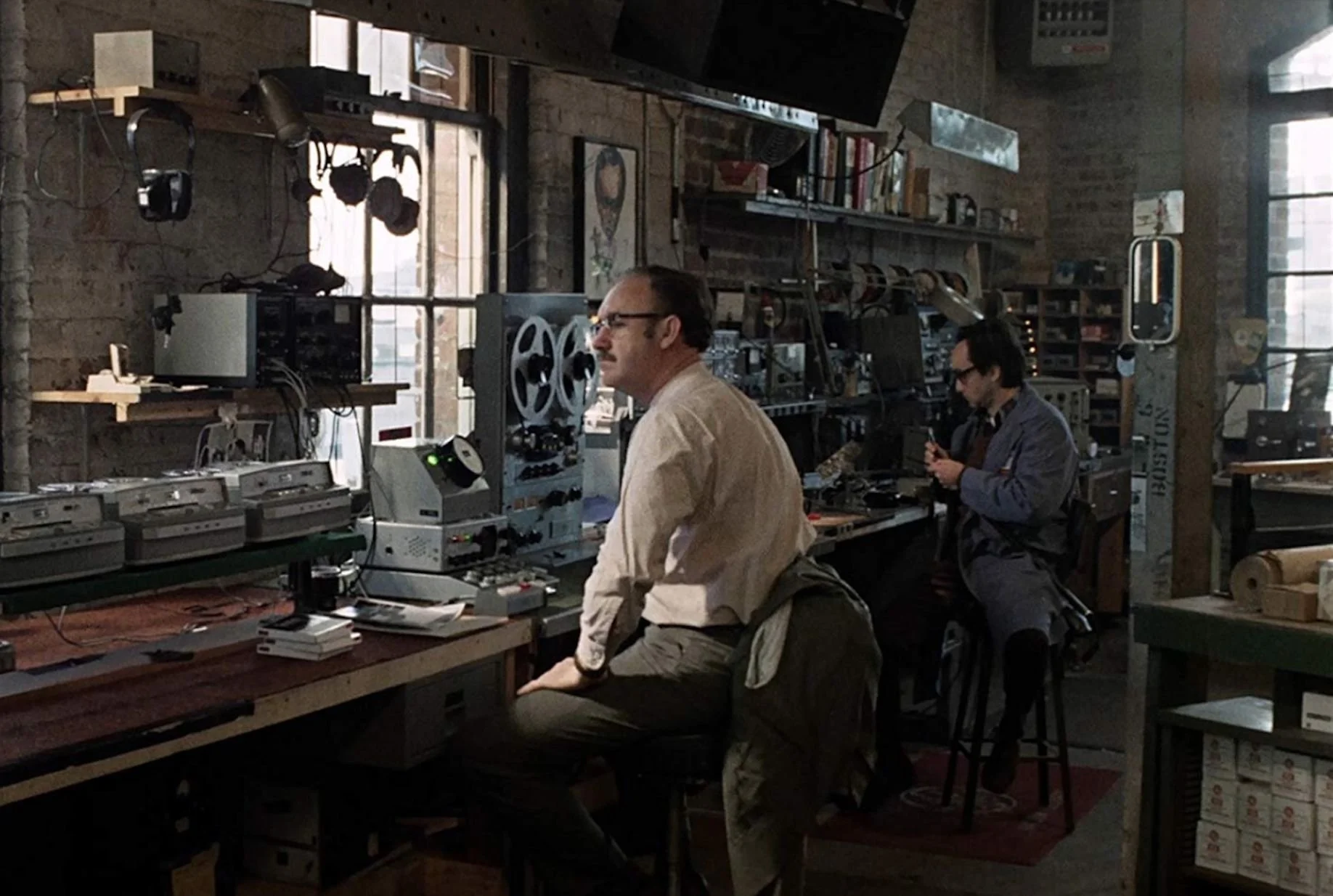
Literatures of the Security State: Privacy, Surveillance and Modern Culture
2016 Telluride Association Summer Program at Cornell University
Factotum (teaching assistant & residential assistant), for Chris Holmes (Ithaca College) and Corey McEleney (Fordham University)

Thinking About Cities: In Particular, Jerusalem
2015 Telluride Association Summer Program at Cornell University
Factotum, for Neil Hertz (John Hopkins University) and Omar Youssef (Al-Quds University)